
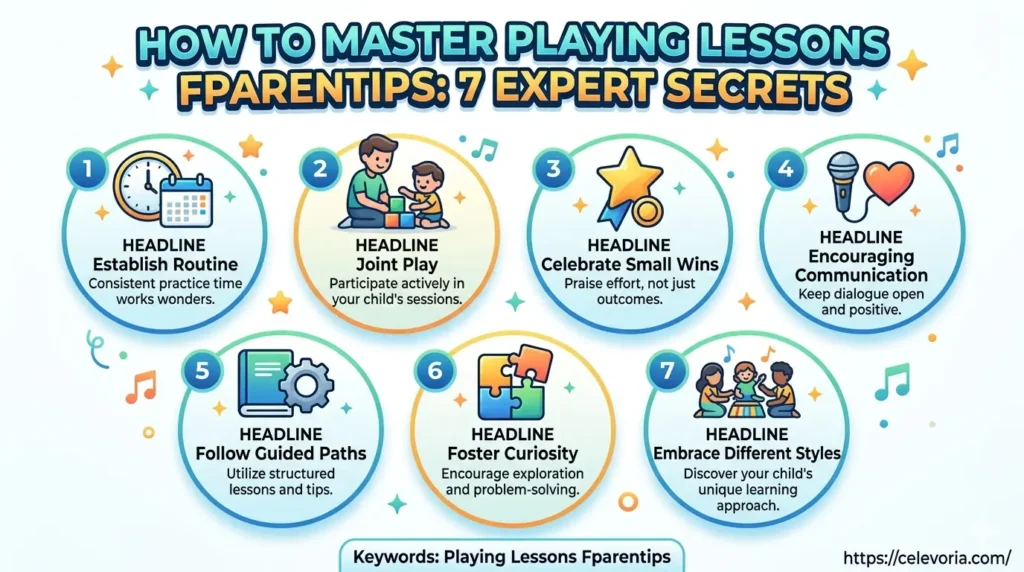

Do you feel overwhelmed by the challenge of managing your child’s extracurricular schedule? Many parents find it difficult to balance formal instruction with genuine fun, leading to frustration for both the adult and the student. By applying these playing lessons fparentips, you can transform stressful practice sessions into rewarding bonding experiences that foster long-term growth. This guide provides the exact roadmap you need to support your child’s development with ease and confidence.
Understanding the Core of Playing Lessons Fparentips
Success in any extracurricular activity starts with a clear strategy. Using playing lessons fparentips means you prioritize the child’s emotional well-being alongside their technical progress. When you focus on the journey rather than just the end result, your child feels empowered to explore their talents without the fear of making mistakes.
Why Consistent Practice Matters for Growth
Consistency is the secret sauce for mastering any skill. Expert playing lessons fparentips suggest that short, daily sessions are much more effective than one long, grueling practice once a week. This approach keeps the material fresh in the mind and builds muscle memory naturally, making the learning process feel less like a chore and more like a habit.
Choosing the Right Instructor for Your Child
The connection between a student and their teacher can make or break the experience. One of the most vital playing lessons fparentips is to interview potential instructors to ensure their teaching style aligns with your child’s personality. Look for educators who use encouragement and adapt their methods to meet individual learning needs.
Creating a Motivating Home Environment
Your home should be a sanctuary for creativity. To follow the best playing lessons fparentips, set up a dedicated space where your child can practice without interruptions. Having the right tools and a quiet area signals that you value their efforts, which significantly boosts their motivation to keep improving.
The Power of Positive Reinforcement
Words have a profound impact on a young learner’s self-esteem. Implementing playing lessons fparentips involves catching your child doing something right rather than only pointing out errors. Celebrate small wins, such as mastering a difficult chord or finishing a tough drill, to keep their spirits high and their momentum moving forward.
Balancing Structure with Creative Freedom
While discipline is necessary, too much rigidity can stifle passion. Smart playing lessons fparentips recommend allowing your child some “free play” time during their sessions. Let them experiment, improvise, or play their favorite songs to remind them why they started the journey in the first place.
How to Manage Performance Anxiety
It is natural for children to feel nervous before a recital or a game. You can use playing lessons fparentips to help them navigate these feelings by organizing “mini-performances” at home. This low-pressure practice builds the resilience needed to handle larger audiences with a calm and focused mind.
Setting Realistic Goals and Expectations
Avoid the trap of comparing your child to others. Effective playing lessons fparentips focus on individual progress. Work with the instructor to set “SMART” goals—specific, measurable, achievable, relevant, and time-bound—to give your child a clear sense of direction and accomplishment.
Identifying Signs of Burnout Early
If your child suddenly loses interest or becomes irritable about their sessions, they might be burnt out. Wise playing lessons fparentips suggest taking a short break or reducing the intensity of the schedule. Listen to their feedback and adjust the pace to ensure the activity remains a source of joy.
Incorporating Technology into Learning
Modern tools can significantly enhance the educational experience. Many playing lessons fparentips now include the use of apps and online resources to supplement formal instruction. These digital aids can make repetitive drills more engaging and provide instant feedback when a teacher isn’t available.
The Importance of Parental Involvement
You are your child’s biggest cheerleader. One of the top playing lessons fparentips is to stay actively involved without being overbearing. Attend occasional lessons, ask what they learned, and show genuine curiosity about their progress to reinforce the importance of their hard work.
Frequently Asked Questions
How often should my child use playing lessons fparentips?
Daily application of these tips ensures the best results. Short, 15-minute daily sessions are generally better for retention than longer, infrequent practices.
What is the best age to start formal playing lessons?
Most experts suggest ages 5 to 7. At this stage, children have the motor skills and attention span necessary to benefit from structured playing lessons fparentips.
How do I handle a child who wants to quit?
First, identify the root cause. Use playing lessons fparentips to adjust the routine or try a different teacher before deciding to stop the activity entirely.
Can playing lessons fparentips improve school grades?
Yes. Learning a new skill develops discipline, focus, and cognitive abilities that often translate to better performance in academic subjects.
Should I practice with my child?
Being present is helpful, but avoid “coaching.” Use playing lessons fparentips to provide a supportive ear and positive feedback while letting the teacher handle the technical corrections.
How do I find local playing lessons fparentips resources?
Check community centers, local music schools, or reputable online parenting forums for recommendations on high-quality instructors in your area.
Conclusion
Success in your child’s developmental journey requires patience, the right strategy, and a lot of heart. By integrating these playing lessons fparentips into your daily routine, you provide more than just a skill; you offer a foundation for confidence and lifelong learning. Start small today by praising one specific effort your child makes. Your support is the most powerful tool in their arsenal.