
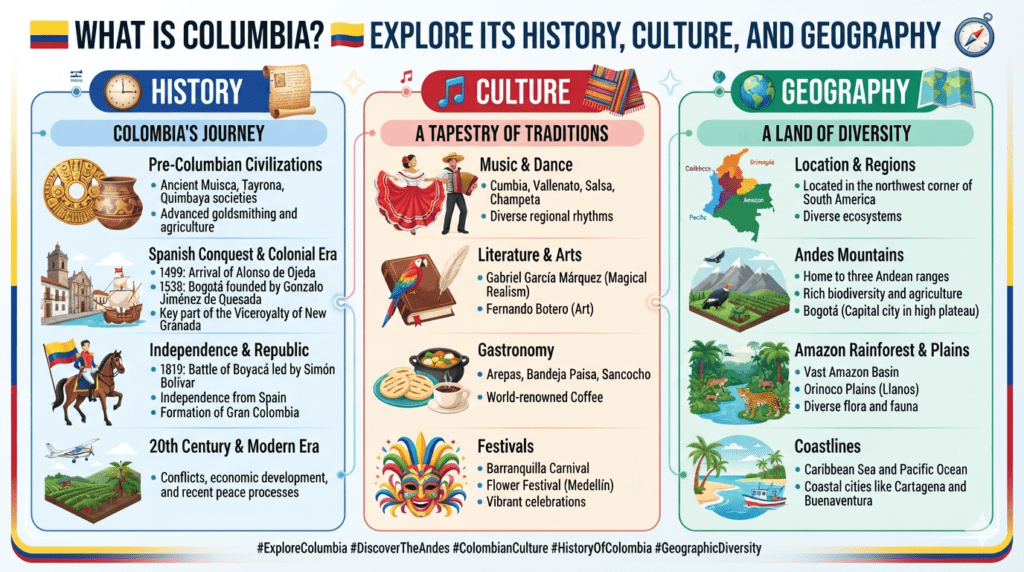

The word columbia is one of the most recognized names in modern history and geography. Historically, it originated as a poetic name for the Americas, inspired by the explorer Christopher Columbus. Over time, people began using it to describe various regions, educational institutions, and cultural symbols across North America. When you hear the term columbia, you might think of a majestic river, a famous Ivy League university, or a bustling capital city.
Understanding the root of columbia helps us see how early writers and thinkers viewed the New World. They wanted a unique name that represented freedom, exploration, and new beginnings. Today, the term is everywhere. It appears in the names of sports teams, clothing brands, and government districts. Because the name carries so much heritage, it remains a popular choice for naming institutions, landmarks, and businesses. Exploring its historical roots gives us a deeper appreciation for how language evolves and connects different places across the globe over hundreds of years.
The Geography and Landscapes Connected to Columbia
When exploring geographic locations named columbia, you will find incredible natural diversity. From towering snow-capped mountains to sweeping river valleys, these areas showcase some of the finest scenery in the world. The famous river bearing this name flows through dramatic gorges and supplies clean hydroelectric power to millions of people. Forests surrounding these regions are dense, green, and filled with unique wildlife like bald eagles, black bears, and spawning salmon.
In addition to water systems, many valleys and regional zones carry the name columbia. These locations are ideal for outdoor adventures like hiking, fishing, camping, and skiing. Local communities take great pride in preserving their pristine natural resources for future generations. Visiting these regions gives traveler an up-close look at powerful glaciers, deep canyons, and peaceful lakes. The unique blend of rugged wilderness and accessible outdoor recreation makes these geographic areas famous among nature lovers around the globe.
Notable Connections: Biography and Overview Table
To help you understand how columbia connects to famous concepts, places, and historical figures, we have put together a helpful overview table. This table highlights key attributes, notable associations, and historical context in one simple view.
| Attribute | Details & Historical Context |
| Primary Root Name | Derived from Columbus, used historically as a poetic symbol for America. |
| Notable University | Columbia University in New York City (Founded in 1754 as King’s College). |
| Major Geographical Feature | The Columbia River, the largest river in the Pacific Northwest region. |
| Cultural Associations | Named in business, media, entertainment, and connections Forbes list profiles. |
| Symbolic Meaning | Represents discovery, progress, education, and geographic beauty. |
How Columbia Influenced Early American Identity
During the eighteenth century, poets and political writers often personified the nation as a graceful figure named columbia. She represented liberty, justice, and the spirit of a growing nation. Statues, coins, and official illustrations frequently featured this heroic figure wrapped in patriotic garments. Before the Statue of Liberty became a worldwide symbol, this personification was the primary emblem of American values.
This cultural symbol played a massive role in uniting communities during important historical moments. Public ceremonies, political cartoons, and songs frequently referenced columbia to inspire pride and hope. Even today, you can find her likeness sculpted on old buildings, monuments, and historic artwork. Learning about this historical figure helps us understand how art and symbolism were used to build a sense of unity, national pride, and shared purpose among diverse groups of people.
Exploring the History of Columbia University
One of the most famous places sharing the name columbia is the prestigious Ivy League school located in New York City. Founded back in 1754, it is one of the oldest higher education institutions in the United States. Originally named King’s College, it changed its name after the American Revolutionary War to reflect a new era of independence and educational growth.
Over the centuries, this institution has produced world leaders, famous scientists, writers, and innovative thinkers. Its campus is known for its beautiful historic architecture, massive research libraries, and ground-breaking scientific discoveries. Students from every corner of the world move here to study law, medicine, journalism, and business. The university continues to shape modern education and research, making the name columbia synonymous with academic excellence and scholarly achievement across the globe.
The Columbia River: A Lifeline of the Northwest
The mighty river named columbia is one of North America’s most essential waterways. It stretches over one thousand miles, carving through rugged mountain ranges and fertile agricultural valleys before reaching the Pacific Ocean. For centuries, native tribes relied on this magnificent river for food, trade, and traditional transportation route setups.
Today, the river serves multiple vital purposes for modern society. It generates clean hydroelectric energy, provides irrigation water for vast farmlands, and serves as a major commercial shipping route. Barges transport wheat, timber, and manufactured goods along its waters every single day. Environmental groups work hard to protect the river’s wild salmon populations and natural habitats. The river remains a true natural engine, supporting both local ecosystems and regional economies.
Cities and Towns Named Columbia Across the Globe
Did you know that dozens of towns and cities share the name columbia? The most prominent example in the United States is the capital city of South Carolina, known for its rich history, warm climate, and vibrant university atmosphere. Another famous location is in Missouri, home to major educational centers and thriving local businesses.
Living in or visiting a town named columbia often means experiencing a strong sense of community, excellent local parks, and affordable living. These cities often feature historic downtown districts filled with unique shops, local restaurants, and art galleries. Each city brings its own unique regional flavor while sharing a historic name. Exploring these vibrant communities shows how a single historical word can link totally different places across the map.
Columbia in Pop Culture, Media, and Entertainment
The word columbia holds a massive footprint in the world of entertainment and media. For instance, one of the most famous film studios in Hollywood carries this name, greeted by millions of moviegoers by its iconic torch-bearing lady logo. Record labels and broadcasting companies have also adopted the title to build strong brands that stand for top-tier entertainment.
Through movies, music records, and television shows, columbia has become a household brand recognized worldwide. It represents decades of cinematic history, classic musical recordings, and groundbreaking journalism. When people see or hear the name in media credits, they immediately connect it with quality storytelling and creativity. This widespread media presence ensures that the name stays relevant and fresh in everyday modern pop culture.
The Role of Columbia in Modern Outdoor Apparel
For outdoor enthusiasts, columbia is best known as a global leader in rugged outdoor clothing and gear. Originating near the banks of the famous northwest river, the brand started as a small hat company and grew into an international powerhouse. They produce high-quality jackets, hiking boots, and weather-resistant gear designed for harsh outdoor conditions.
The brand’s popularity stems from its commitment to durability, smart design, and affordable pricing. Whether you are climbing a snowy peak or taking a casual walk in the park, their gear keeps you warm and dry. By testing their products in tough natural environments, the company built a strong reputation for reliability. This connection between the historic name and outdoor adventure continues to inspire travelers to explore nature safely.
Connections Forbes Highlights regarding Economic Impact
When examining business publications like Forbes, references to columbia often focus on economic growth, top-ranked universities, and influential corporate leaders. Articles highlighting connections forbes writers make usually focus on how top educational centers drive local innovation and create high-paying jobs. Research centers associated with this name attract billions in investment capital and foster breakthrough technological discoveries.
Additionally, top companies associated with the name generate substantial revenue and employ thousands of workers globally. Economic analysts frequently study these organizations to understand market trends, consumer behavior, and successful corporate strategy. The financial strength associated with these institutions demonstrates how a historical name can transform into a powerful modern brand that drives economic development and job creation.
How to Plan a Visit to Famous Columbia Landmarks
If you love travel and adventure, visiting sites bearing the name columbia should definitely be on your bucket list. You can explore breathtaking natural parks, walk through historic university campuses, or take a scenic road trip along river highways. Planning ahead ensures you get the most out of your trip, no matter the season.
Start by choosing the type of experience you want. For outdoor thrills, pack hiking boots and head out toward mountain valleys and scenic river loops. If you prefer rich history and vibrant culture, visit historic cities or famous educational campuses with guided walking tours. Always check local weather forecasts and seasonal travel updates before heading out. Visiting these remarkable places offers unforgettable memories, beautiful photos, and a deep connection to history.
Why Columbia Remains an Iconic Global Name
The lasting popularity of the word columbia lies in its versatile heritage and deep connection to progress, nature, and achievement. From poetic historical figures to world-class universities and majestic rivers, the name carries a sense of strength and optimism. It bridges the past with the present in a way few other terms can manage.
As time moves forward, the name continues to inspire new generations of innovators, adventurers, and scholars. Whether used in business, geography, or education, it carries a legacy of quality and exploration. Understanding the full scope of this name allows us to appreciate the shared history and natural beauty that connect communities all across the globe today.
(FAQs)
What is the origin of the name Columbia?
The name comes from the explorer Christopher Columbus. Historically, writers and poets used it as a poetic symbol for the Americas during the 18th century.
Why are so many places and rivers named Columbia?
Early explorers and mapmakers wanted to honor the spirit of discovery. As a result, they used the name for prominent rivers, mountain ranges, cities, and counties.
What is Columbia University famous for?
Located in New York City, it is a world-renowned Ivy League university known for its top academic programs, rich history, research contributions, and famous alumni.
What sports and outdoor activities can you do along the Columbia River?
Visitors can enjoy fishing, kayaking, windsurfing, hiking, camping, and scenic drives through beautiful river gorges and nearby mountains.
Is Columbia an American symbol?
Yes, before the Statue of Liberty became famous, a personified female figure with that name served as the primary historic symbol of liberty and justice for the nation.
How does Columbia impact modern business and commerce?
Through major outdoor clothing brands, media corporations, and academic research hubs, the name represents multi-billion dollar industries that drive global trade and innovation.
Conclusion
The word columbia represents far more than a single location or idea. It is a timeless term that connects rich history, stunning natural geography, world-class education, and modern global industry. From peaceful river valleys to vibrant city streets and world-renowned academic halls, its influence is felt everywhere.
Whether you are studying history, planning your next outdoor adventure, or exploring global brands, understanding this legacy enriches your view of the world. What is your favorite place or landmark connected to this famous name? Share your thoughts, leave a comment below, or share this post with friends who love history and travel!