
Schools are places where children learn and grow every single day. To help them succeed, the school must be a very safe place. You might hear about the health and safety executive in schools as part of this process. It is a big job that involves many people working together. Everyone plays a part in making sure the hallways, classrooms, and playgrounds are free from harm. When we follow simple safety rules, we create the best environment for all kids.
Why Safety Matters at School
Every child deserves to feel safe when they walk through the school doors. The health and safety executive in schools helps set the standards we follow. Safety is not just about avoiding accidents. It is also about feeling secure, happy, and ready to learn. When a school is well-managed, teachers can focus on teaching. Students can focus on their books and friends. A safe school is a happy school for everyone involved.
Understanding the Role of Leaders
School leaders are very important for keeping everyone safe. The health and safety executive in schools gives them the rules they need to follow. Principals and managers make sure that these rules happen in real life. They check the buildings and make sure all equipment is in good shape. They also make sure that every teacher knows what to do during an emergency. Strong leadership makes safety a normal part of the day.
How Risk Assessments Keep Kids Safe
A risk assessment is like a safety checklist for the school. The health and safety executive in schools suggests using these to spot dangers early. Imagine walking through a classroom and looking for anything that could cause a trip or a fall. That is what a risk assessment does. It helps staff members fix problems before an accident happens. It is a smart way to stay ahead of trouble.
The Importance of School Safety Training
Training is how we learn to stay safe in different situations. The health and safety executive in schools knows that well-trained staff are the best defense. Teachers and helpers learn how to use fire extinguishers and perform first aid. They also learn how to keep the playground safe during lunch. When people are trained, they feel more confident. They can act quickly if something unexpected happens.
Creating a Positive Safety Culture
A safety culture means that everyone cares about staying safe. The health and safety executive in schools encourages this team spirit. It is not just the job of the janitor or the principal. It is the job of every person in the building. When a student sees a spill and cleans it up, they are helping. When a teacher reminds kids to walk, they are helping. We all work together.
Managing School Equipment Properly
Schools are full of desks, computers, and sports gear. The health and safety executive in schools reminds us to keep this gear in good condition. Broken chairs or loose wires can be dangerous for little ones. Staff members should check these items often. If something is broken, it should be fixed right away. Keeping things tidy and in good repair prevents many small accidents.
Emergency Plans and Drills
What happens if there is a fire or a big storm? Schools have special plans for these moments. The health and safety executive in schools helps guide these important emergency procedures. Every child practices fire drills so they know where to go. They practice staying calm and listening to their teachers. These drills turn scary moments into simple, practiced steps. Practice makes everything much safer.
Keeping the School Environment Clean
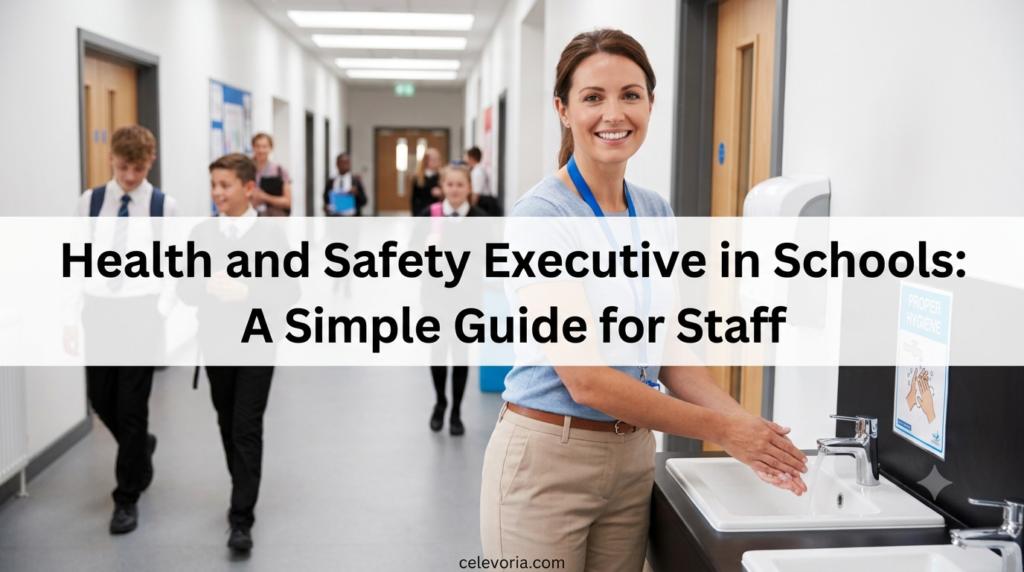
Cleanliness is a big part of health and safety. The health and safety executive in schools highlights why we need good hygiene. Washing hands and keeping surfaces clean stops germs from spreading. This keeps students and staff from getting sick. A clean school is a healthy school. It is a small habit that makes a very big difference for the whole group.
Protecting Everyone on the Premises
Visitors, parents, and contractors often come to visit the school. The health and safety executive in schools says we must protect them too. Schools use sign-in sheets to know who is in the building. This keeps the school secure. Everyone who enters needs to follow the same safety rules. This helps keep the school a friendly and safe space for all guests.
Checking In on Mental Well-Being
Safety is not just about physical things like floors and fire alarms. The health and safety executive in schools also cares about mental health. Stress can make it hard for teachers and students to stay safe. A school that supports feelings helps everyone stay focused. When we talk about our feelings, we feel better. This is a very important part of a healthy school life.
Biography: The Dedicated School Safety Manager
To understand how this works, we can look at a typical safety manager. These people are the heart of safety in many schools.
| Name | Role | Main Goal |
| Alex Brown | School Safety Lead | Keep all students and staff safe daily. |
| Role Details | Experience | Expert in risk checks and emergency planning. |
| Daily Task | Audits | Checking buildings and training the team. |
Conclusion
Working together for safety is the best way to help our children. The health and safety executive in schools provides the map, but we walk the path together. By paying attention to small details, we create a bright future. Please join your school’s safety efforts today. Ask your teacher how you can help keep your classroom safe. A safer school leads to a better learning experience for every single child.
Frequently Asked Questions
1. What is the main goal of the health and safety executive in schools?
The main goal is to keep students, staff, and visitors safe from harm by following clear rules and good habits.
2. Who is responsible for safety in a school?
Everyone is responsible! While leaders manage the big rules, every person in the school must help keep the environment safe.
3. What is a risk assessment?
It is a simple process of looking for potential dangers and finding ways to stop them before an accident happens.
4. Why are fire drills important?
Fire drills help everyone practice how to leave the building safely and calmly if there is an emergency.
5. Does safety include mental health?
Yes, schools work to support the well-being of staff and students because feeling happy and supported is part of a healthy environment.
6. How can I help keep my school safe?
You can help by keeping your area tidy, following classroom rules, and telling a teacher if you see something that looks dangerous.